
-

special cleansing gel foaming soap-free face wash
washes away impurities
special cleansing gel foaming soap-free face wash
washes away impurities
Regular price ₹ 1,200Regular priceUnit price per -

daily microfoliant gentle face scrub
exfoliates, smooths, brightens
daily microfoliant gentle face scrub
exfoliates, smooths, brightens
Regular price ₹ 1,300Regular priceUnit price per -

-

skin smoothing cream face moisturizer with 48-hour hydration
Provides 48 hours of hydration
skin smoothing cream face moisturizer with 48-hour hydration
Provides 48 hours of hydration
Regular price ₹ 1,300Regular priceUnit price per -
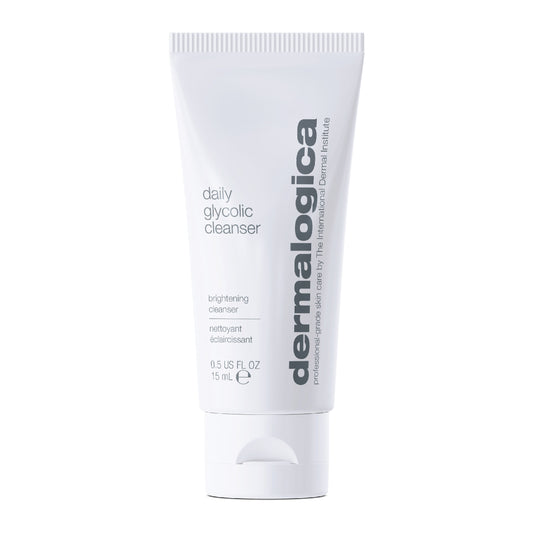
daily glycolic cleanser brightening face wash
brightens dull uneven skin tone
daily glycolic cleanser brightening face wash
brightens dull uneven skin tone
Regular price ₹ 750Regular priceUnit price per -

multi-active refreshing facial toner
preps, hydrates and refreshes
multi-active refreshing facial toner
preps, hydrates and refreshes
Regular price ₹ 1,250Regular priceUnit price per -

antioxidant hydramist refreshing face toner
reduces fine lines and hydrates
antioxidant hydramist refreshing face toner
reduces fine lines and hydrates
Regular price ₹ 1,300Regular priceUnit price per -

intensive moisture balance moisturiser with hyaluronic acid
Moisturizes dry, depleted skin
intensive moisture balance moisturiser with hyaluronic acid
Moisturizes dry, depleted skin
Regular price ₹ 1,550Regular priceUnit price per -
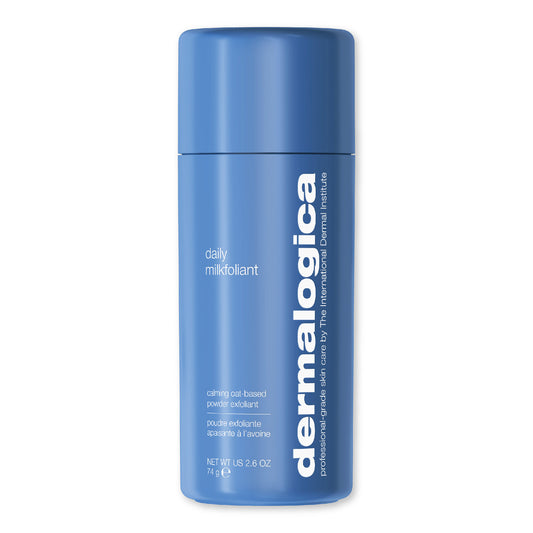
daily milkfoliant vegan face scrub for sensitive skin
exfoliates, calms, restores
daily milkfoliant vegan face scrub for sensitive skin
exfoliates, calms, restores
Regular price ₹ 1,500Regular priceUnit price per -

dynamic skin recovery 3-in-1 moisturiser with broad spectrum spf 50
hydrates and combats skin ageing
dynamic skin recovery 3-in-1 moisturiser with broad spectrum spf 50
hydrates and combats skin ageing
Regular price ₹ 6,800Regular priceUnit price per -

multivitamin power recovery face masque for glowing skin
repairs and rescues ageing skin
multivitamin power recovery face masque for glowing skin
repairs and rescues ageing skin
Regular price ₹ 1,600Regular priceUnit price per -
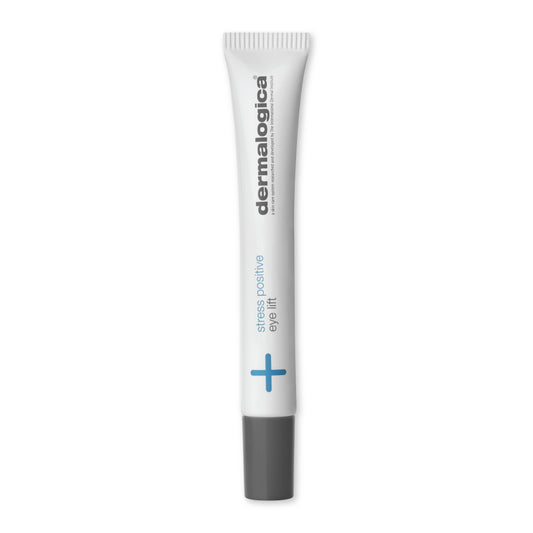
stress positive eye lift under eye cream
firms, depuffs and brightens
stress positive eye lift under eye cream
firms, depuffs and brightens
Regular price ₹ 5,500Regular priceUnit price per -
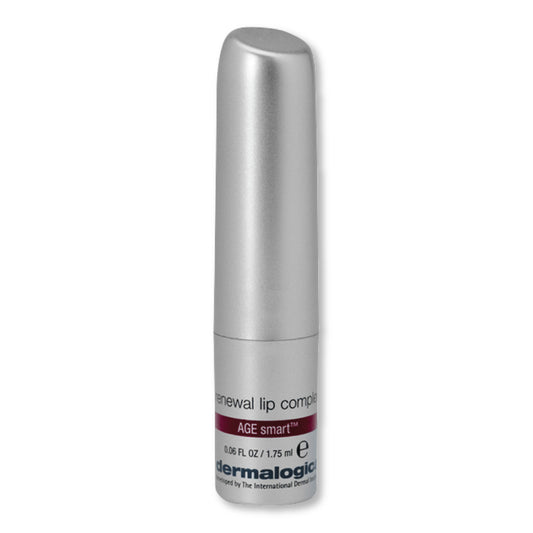
age smart renewal lip complex balm
smooths and nourishes
age smart renewal lip complex balm
smooths and nourishes
Regular price ₹ 2,700Regular priceUnit price per -

active moist oil-free face moisturizer
provides oil-free hydration
active moist oil-free face moisturizer
provides oil-free hydration
Regular price ₹ 4,000Regular priceUnit price per -

protection 50 sport spf 50 water resistant face & body sunscreen
defends against skin damage
protection 50 sport spf 50 water resistant face & body sunscreen
defends against skin damage
Regular price ₹ 3,900Regular priceUnit price per -

super rich repair ultra-nourishing face moisturiser
nourishes chronically dry skin
super rich repair ultra-nourishing face moisturiser
nourishes chronically dry skin
Regular price ₹ 7,200Regular priceUnit price per -

clearing skin wash for oily & acne-prone skin
clears oil and prevents breakouts
clearing skin wash for oily & acne-prone skin
clears oil and prevents breakouts
Regular price ₹ 3,200Regular priceUnit price per -
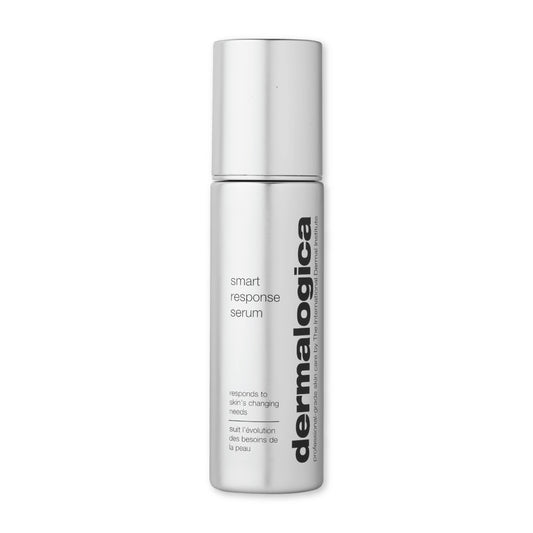
smart response 4-in-1 face serum
hydrates, brightens, soothes
smart response 4-in-1 face serum
hydrates, brightens, soothes
Regular price ₹ 12,000Regular priceUnit price per -
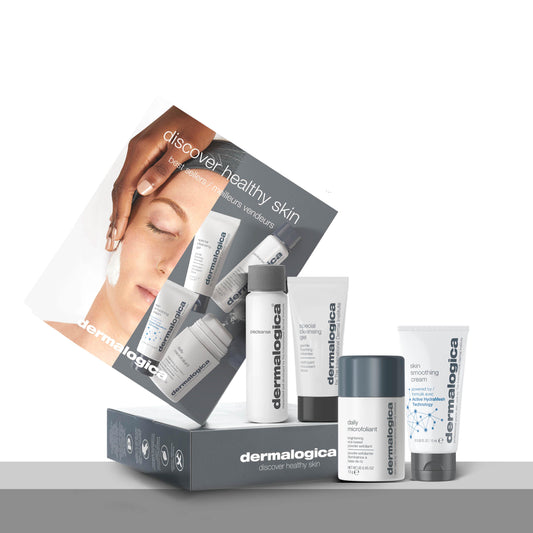
discover healthy skin kit 73gm - best seller gift kit
polishes, cleanses, moisturizes
discover healthy skin kit 73gm - best seller gift kit
polishes, cleanses, moisturizes
Regular price ₹ 3,500Regular priceUnit price per₹ 3,500Sale price ₹ 3,500 -
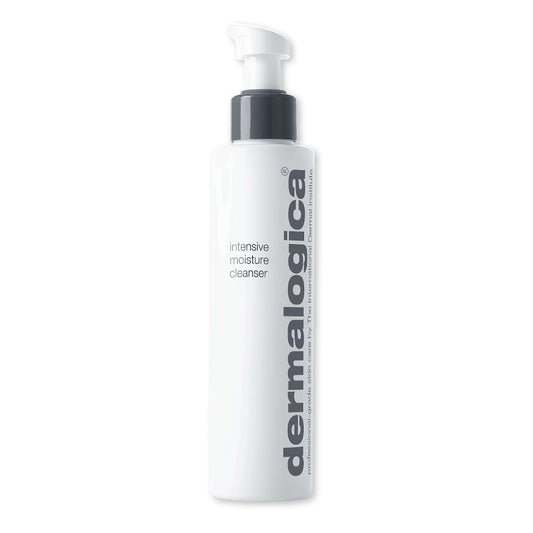
intensive moisture cleanser face wash for hydration
nourishes dry, depleted skin
Sold outintensive moisture cleanser face wash for hydration
nourishes dry, depleted skin
Regular price ₹ 3,600Regular priceUnit price per -
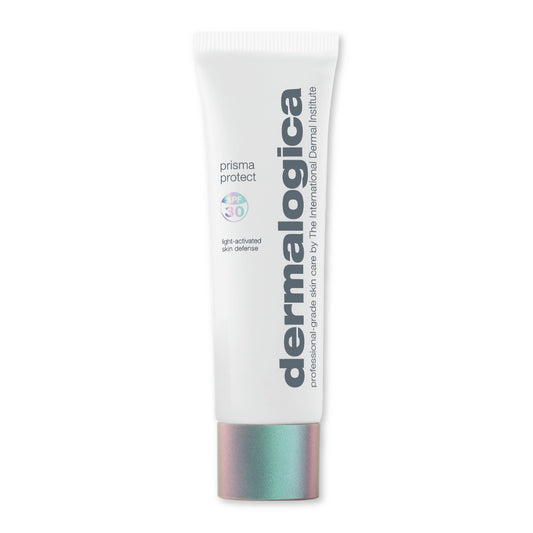
prisma protect spf 30 face moisturiser & sunscreen
boosts skin's natural luminosity
Sold outprisma protect spf 30 face moisturiser & sunscreen
boosts skin's natural luminosity
Regular price ₹ 5,500Regular priceUnit price per -
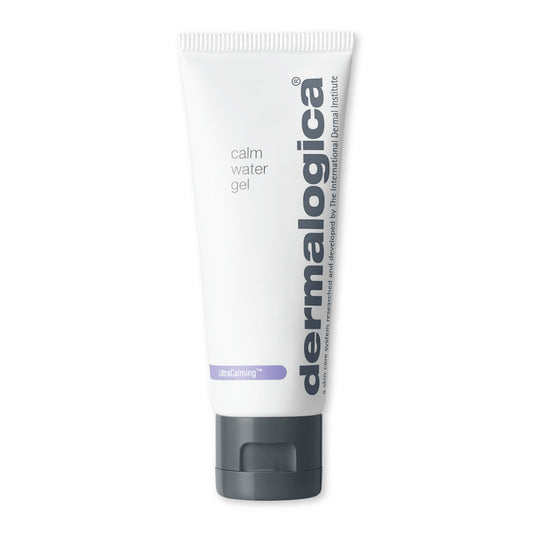
calm water gel face moisturiser for sensitive skin
calms and hydrates sensitive skin
Sold outcalm water gel face moisturiser for sensitive skin
calms and hydrates sensitive skin
Regular price ₹ 4,200Regular priceUnit price per -
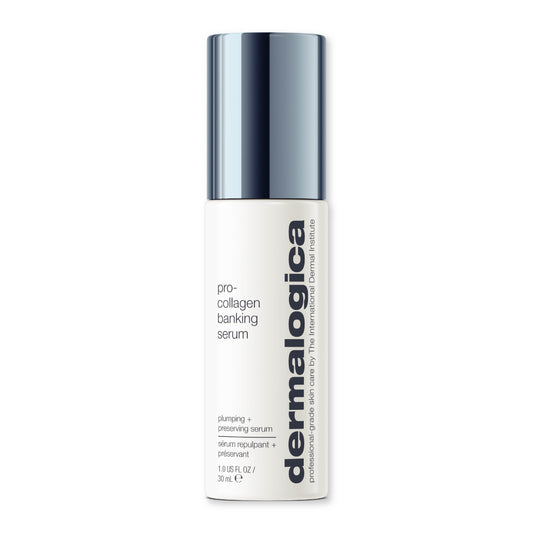
pro-collagen banking face serum
plump skin + preserve collagen
pro-collagen banking face serum
plump skin + preserve collagen
Regular price ₹ 7,500Regular priceUnit price per -
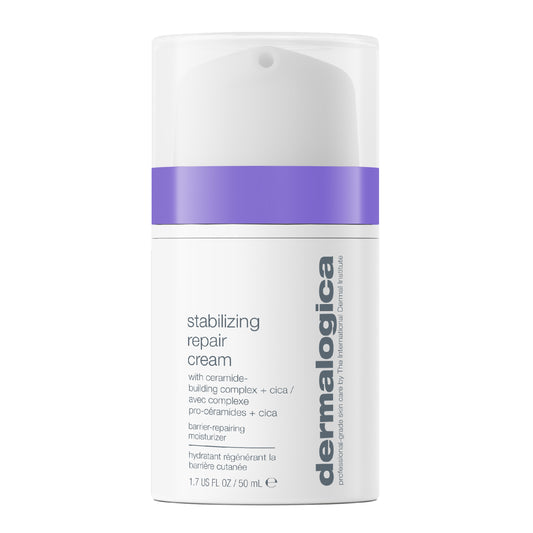
stabilizing repair cream for sensitive skin
strengthens, soothes, repairs
stabilizing repair cream for sensitive skin
strengthens, soothes, repairs
Regular price ₹ 2,000Regular priceUnit price per -
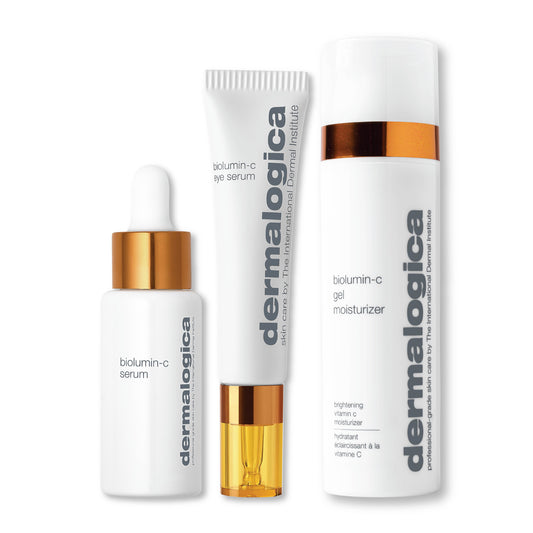
brightening biolumin- c trio kit
exfoliate, brighten, firm & boost radiance
15% OFFbrightening biolumin- c trio kit
exfoliate, brighten, firm & boost radiance
Regular price ₹ 12,410Regular priceUnit price per₹ 14,600Sale price ₹ 12,410 -
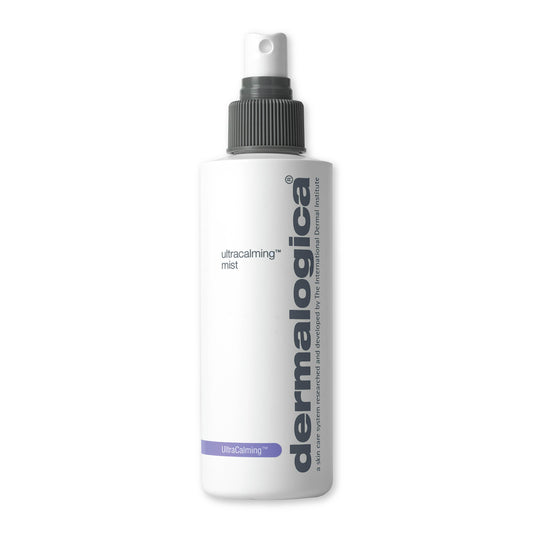
ultra calming mist toner for sensitive skin
soothes and relieves inflammation
ultra calming mist toner for sensitive skin
soothes and relieves inflammation
Regular price ₹ 4,050Regular priceUnit price per -

Dynamic Skin Strengthening Serum
strengthens skin barrier
10% OFFDynamic Skin Strengthening Serum
strengthens skin barrier
Regular price ₹ 6,930Regular priceUnit price per₹ 7,700Sale price ₹ 6,930 -
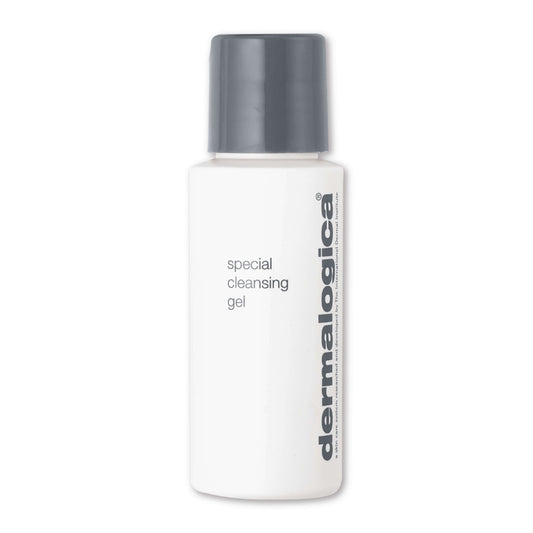
special cleansing gel foaming soap-free face wash
washes away impurities
Sold outspecial cleansing gel foaming soap-free face wash
washes away impurities
Regular price ₹ 1,100Regular priceUnit price per -
special cleansing gel foaming soap-free face wash
washes away impurities
Sold outspecial cleansing gel foaming soap-free face wash
washes away impurities
Regular price ₹ 3,200Regular priceUnit price per -
antioxidant hydramist refreshing face toner
reduces fine lines and hydrates
antioxidant hydramist refreshing face toner
reduces fine lines and hydrates
Regular price ₹ 1,300Regular priceUnit price per -
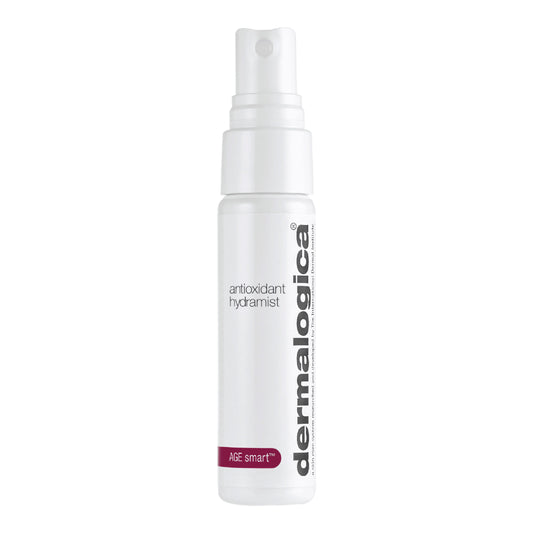
antioxidant hydramist refreshing face toner
reduces fine line and hydrates
Sold outantioxidant hydramist refreshing face toner
reduces fine line and hydrates
Regular price ₹ 1,200Regular priceUnit price per -
daily microfoliant gentle face scrub
exfoliates, smooths, brightens
daily microfoliant gentle face scrub
exfoliates, smooths, brightens
Regular price ₹ 1,150Regular priceUnit price per -

multi-active refreshing facial toner
preps, hydrates and refreshes
Sold outmulti-active refreshing facial toner
preps, hydrates and refreshes
Regular price ₹ 1,150Regular priceUnit price per -
special cleansing gel foaming soap-free face wash
washes away impurities
Sold outspecial cleansing gel foaming soap-free face wash
washes away impurities
Regular price ₹ 1,200Regular priceUnit price per -
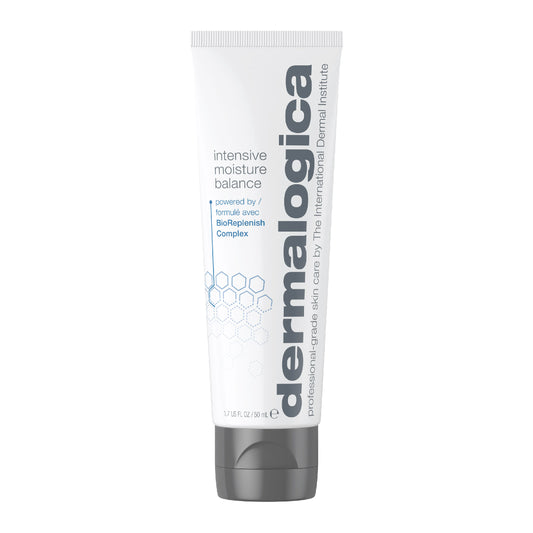
intensive moisture balance moisturiser with hyaluronic acid
Moisturizes dry, depleted skin
intensive moisture balance moisturiser with hyaluronic acid
Moisturizes dry, depleted skin
Regular price ₹ 3,900Regular priceUnit price per -
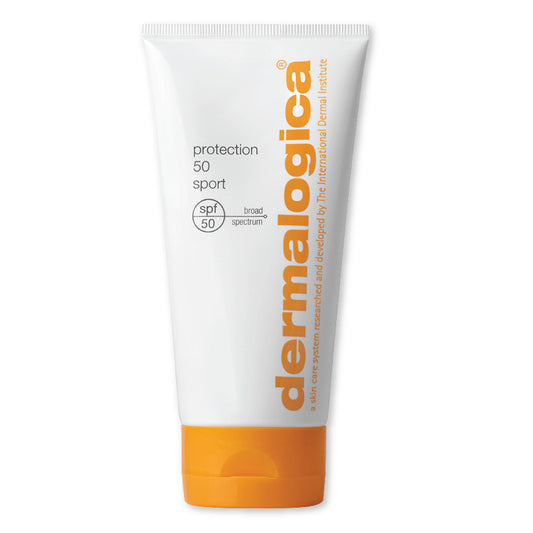
protection 50 sport spf 50 water resistant face & body sunscreen
defends against skin damage
protection 50 sport spf 50 water resistant face & body sunscreen
defends against skin damage
Regular price ₹ 3,300Regular priceUnit price per -
skin smoothing cream face moisturizer with 48-hour hydration
Provides 48 hours of hydration
skin smoothing cream face moisturizer with 48-hour hydration
Provides 48 hours of hydration
Regular price ₹ 1,500Regular priceUnit price per -
prisma protect spf 30 face moisturiser & sunscreen
boosts skin's natural luminosity
Sold outprisma protect spf 30 face moisturiser & sunscreen
boosts skin's natural luminosity
Regular price ₹ 5,400Regular priceUnit price per -
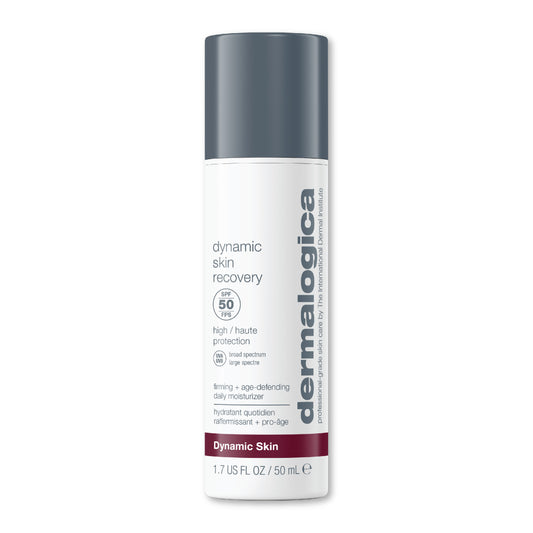
dynamic skin recovery 3-in-1 moisturiser with broad spectrum spf 50
hydrates and combats skin ageing
Sold outdynamic skin recovery 3-in-1 moisturiser with broad spectrum spf 50
hydrates and combats skin ageing
Regular price ₹ 6,200Regular priceUnit price per -
stress positive eye lift under eye cream
firms, depuffs and brightens
Sold outstress positive eye lift under eye cream
firms, depuffs and brightens
Regular price ₹ 5,300Regular priceUnit price per -
smart response 4-in-1 face serum
hydrates, brightens, soothes
Sold outsmart response 4-in-1 face serum
hydrates, brightens, soothes
Regular price ₹ 10,500Regular priceUnit price per -
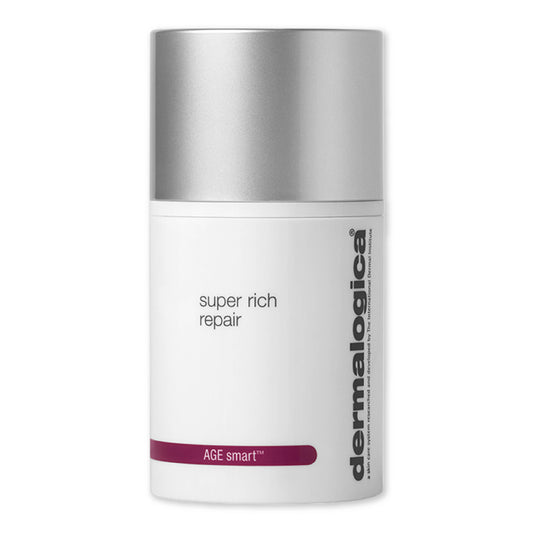
super rich repair ultra-nourishing face moisturiser
nourishes chronically dry skin
super rich repair ultra-nourishing face moisturiser
nourishes chronically dry skin
Regular price ₹ 6,600Regular priceUnit price per -
intensive moisture balance moisturiser with hyaluronic acid
Moisturizes dry, depleted skin
intensive moisture balance moisturiser with hyaluronic acid
Moisturizes dry, depleted skin
Regular price ₹ 6,000Regular priceUnit price per -
active moist oil-free face moisturizer
provides oil-free hydration
Sold outactive moist oil-free face moisturizer
provides oil-free hydration
Regular price ₹ 6,000Regular priceUnit price per -
intensive moisture balance moisturiser with hyaluronic acid
Moisturizes dry, depleted skin
intensive moisture balance moisturiser with hyaluronic acid
Moisturizes dry, depleted skin
Regular price ₹ 1,550Regular priceUnit price per -
calm water gel face moisturiser for sensitive skin
calms and hydrates sensitive skin
Sold outcalm water gel face moisturiser for sensitive skin
calms and hydrates sensitive skin
Regular price ₹ 4,000Regular priceUnit price per -
active moist oil-free face moisturizer
provides oil-free hydration
Sold outactive moist oil-free face moisturizer
provides oil-free hydration
Regular price ₹ 4,000Regular priceUnit price per -
stabilizing repair cream for sensitive skin
strengthens, soothes, repairs
Sold outstabilizing repair cream for sensitive skin
strengthens, soothes, repairs
Regular price ₹ 6,100Regular priceUnit price per


FAQs
Dry skin is a skin type that produces less oil (sebum) often feeling rough, flaky, or tight. Dehydration is a temporary condition where the skin lacks water, causing tightness, dullness, or fine lines. Dehydration can affect any skin type, including oily skin. Treating dehydration focuses on restoring water with humectants and hydrating serums, while dry skin also requires replenishing lipids with emollients and barrier-repairing ingredients.
For dehydration (water loss), look for humectants like hyaluronic acid, glycerin and sodium PCA that attract and retain moisture. To rebuild a dry skin barrier, use ceramides, fatty acids, cholesterol, squalane, and gentle emollients to lock in hydration. Avoid harsh sulfates or denaturing alcohols while the barrier is compromised. Dermalogica formulations combine clinically-proven hydrators and barrier-supporting ingredients.
The best way to layer products for dry or dehydrated skin is from lightest to heaviest texture. Start with a gentle cleanser, followed by a hydrating mist or toner, then apply a water-based hydrating serum. Add targeted treatments if tolerated, followed by a moisturizer to seal in hydration. A facial oil can be used as the final step if needed. In the morning, always finish with sunscreen. This approach helps humectants draw in water while richer creams and oils reduce moisture loss and support the skin barrier.
Use a hydrating serum daily (morning and/or evening) for ongoing dehydration. Hydrating mists can be used throughout the day to refresh and support moisture. Spritz onto slightly damp skin or over moisturizer for best retention. Intensive masks can be applied 1–3 times per week depending on product and skin tolerance. Always follow product directions and reduce frequency if irritation occurs.
Yes, but gently. Reduce frequency and choose mild exfoliants like enzymatic or low-strength acids. Avoid over-exfoliation, which can worsen moisture loss and barrier damage. If signs of irritation or excessive dryness occur, pause exfoliants until the skin feels restored, then reintroduce slowly.
Yes. Factors like low humidity (cold or heated indoor air), long hot showers, central heating or air conditioning, frequent flying, excessive caffeine or alcohol, certain medications, and sun exposure can increase water loss. Counteract these with a hydrating serum and moisturizer, use humidifiers, shorten hot showers, and staying hydrated internally.
Signs of a compromised barrier include tightness, stinging, redness, visible flaking, increased sensitivity, and rapid moisture loss. If you suspect barrier damage, simplify your routine: use a gentle cleanser, hydrating serum, and barrier-repair moisturizer. Stop strong actives (like high-strength acids or retinoids) and consult a Professional Skin Therapist for guidance.
Yes. Dehydrated oily skin benefits from water-based humectant serums to restore hydration without adding excess oil. Lightweight, non-comedogenic oils or squalane can be applied sparingly to seal in moisture. Focus first on restoring water balance, then regulate oil with suitable moisturizers and treatments.
See a PST if dryness or dehydration persists despite a consistent routine, if you notice worsening sensitivity or visible barrier damage, or if you want a personalized hydration plan. Dermalogica emphasizes professional guidance for complex or chronic hydration concerns.
In cold, dry seasons or during flights, switch to richer creams and layer hydrating serums and mists to combat increased transepidermal water loss. In hot, humid months use lighter water-based gels and serums to maintain hydration without heaviness. Keep travel-size hydrating products on hand, and always reapply SPF when outdoors.
Dry skin lacks oil, dehydrated skin lacks water. Both concerns can cause flaking, sensitivity, and even breakouts, leading to fine lines and wrinkles. Infuse skin with optional hydration to bolster your skin’s moisture barrier and balance dry and dehydrated skin. We use different types of Hyaluronic Acid, plant-derived ingredients, and advanced hydration renewal to immediately hydrate and balance skin.
in the spotlight
Discover Our Featured Skincare Innovations

