
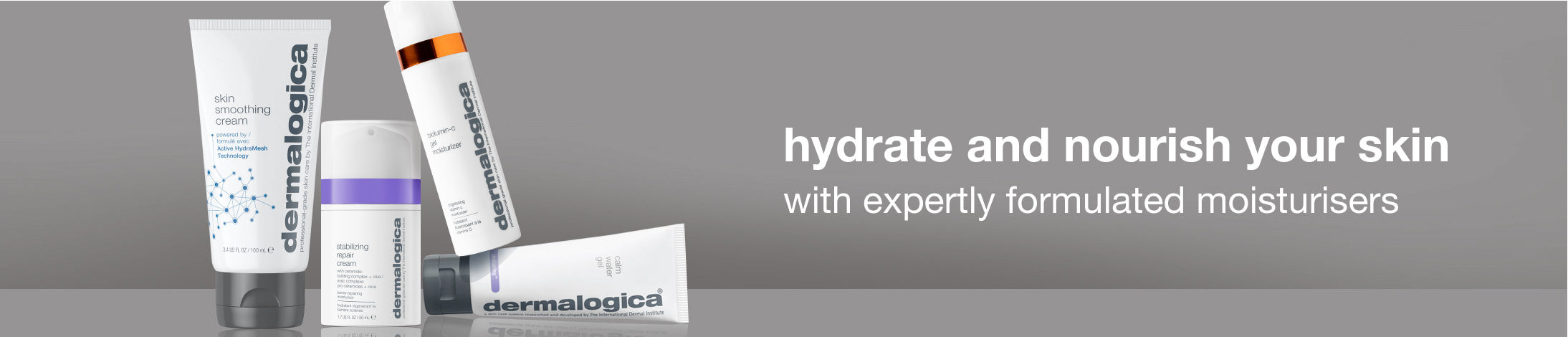
moisturisers
-

skin smoothing cream face moisturizer with 48-hour hydration
Provides 48 hours of hydration
skin smoothing cream face moisturizer with 48-hour hydration
Provides 48 hours of hydration
Regular price ₹ 1,300Regular priceUnit price per -

intensive moisture balance moisturiser with hyaluronic acid
Moisturizes dry, depleted skin
intensive moisture balance moisturiser with hyaluronic acid
Moisturizes dry, depleted skin
Regular price ₹ 1,500Regular priceUnit price per -

-

active moist oil-free face moisturizer
provides oil-free hydration
active moist oil-free face moisturizer
provides oil-free hydration
Regular price ₹ 3,250Regular priceUnit price per -

super rich repair ultra-nourishing face moisturiser
nourishes chronically dry skin
super rich repair ultra-nourishing face moisturiser
nourishes chronically dry skin
Regular price ₹ 6,600Regular priceUnit price per -
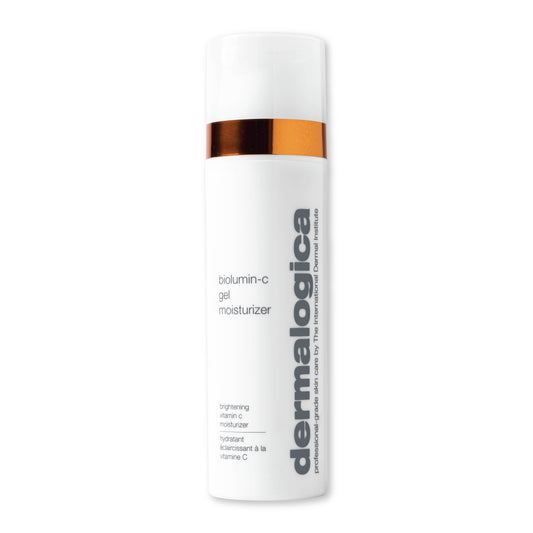
biolumin-c gel moisturiser with vitamin c
brightens and boosts radiance
biolumin-c gel moisturiser with vitamin c
brightens and boosts radiance
Regular price ₹ 6,000Regular priceUnit price per -
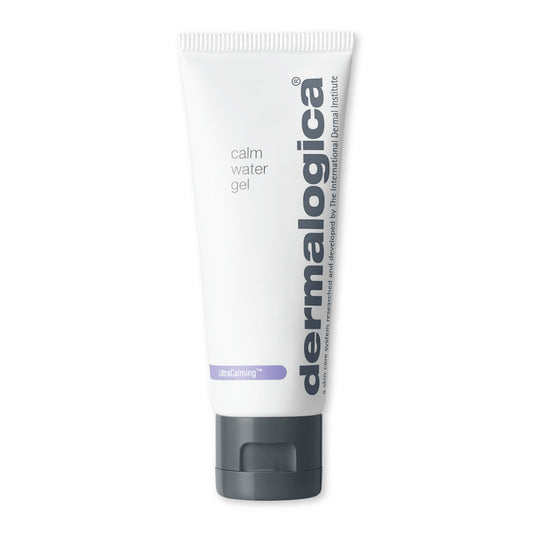
calm water gel face moisturiser for sensitive skin
calms and hydrates sensitive skin
calm water gel face moisturiser for sensitive skin
calms and hydrates sensitive skin
Regular price ₹ 4,200Regular priceUnit price per -
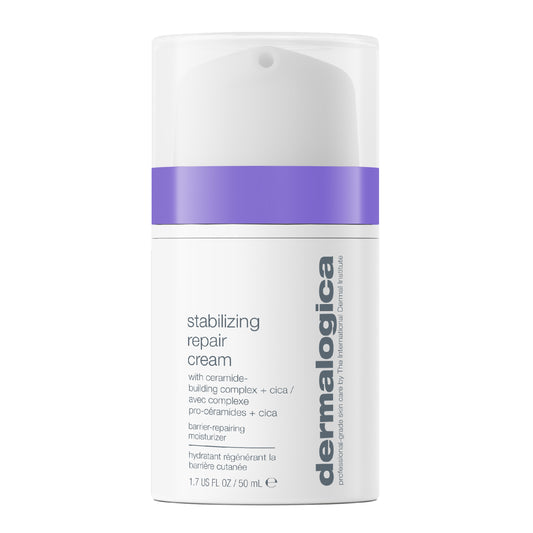
stabilizing repair cream for sensitive skin
strengthens, soothes, repairs
website exclusive New Launchstabilizing repair cream for sensitive skin
strengthens, soothes, repairs
Regular price ₹ 2,000Regular priceUnit price per


FAQs
A facial moisturizer hydrates the skin, helps strengthen and maintain the skin barrier, and locks in serums and active treatments for healthier-looking skin. Moisturizers come in different textures, such as gels, lotions, creams, and balms, designed to meet varying hydration and barrier-support needs.
Choose a moiturizer based on both texture and skin concern: oil-free gels or lotions for oily or combination skin, richer creams or balms for dry or barrier-compromised skin, and fragrance-free or calming formulas for sensitive skin. A professional skin assessment can help identify the most suitable option for your needs.
Apply moisturizer after cleansing, misting or toning, and applying serums, both morning and night. In the morning, follow moisturizer with sunscreen. In the evening, you may want to opt for a richer moisturizer or overnight formula to support skin recovery.
Not necessarily. Many modern moisturizers are formulated to be non-comedogenic and hydrate without blocking pores. If you are acne-prone, look for lightweight, oil-free, or gel-based moisturizers specifically designed for breakout-prone skin.
Serums are concentrated treatments that deliver targeted active ingredients into the skin, while moisturizers focus on hydration and barrier support and help lock those actives in. Using both together allows serums to treat specific concerns while moisturizers maintain comfort and skin balance.
Often, yes. Daytime moisturizers are typically lighter and formulated to layer comfortably under sunscreen and makeup, while night moisturizers are often richer to support barrier repair and hydration during sleep.
Use a pea- to quarter-sized amount for the face, depending on the product's texture and your skin's needs. Applying thin, even layers helps ensure proper absorption and avoids excess product buildup.
Yes. Apply skincare from thinnest to thickest: cleanse, mist or toner, serum(s), moisturizer, then sunscreen in the morning. This layering order allows active ingredients to absorb effectively while the moisturizer seals in hydration.
Look for hydrating and barrier-supporting ingredients such as hyaluronic acid, glycerin, ceramides, and niacinamide. If you have sensitive skin, choose fragrance-free, calming formulas. Prioritize ingredients that support skin health rather than products that rely on exaggerated or unrealistic claims.
Most people notice immediate improvements in hydration and skin comfort. More visible changes in skin texture, barrier strength, and overall appearance typically develop over several weeks with consistent use, especially when paired with targeted treatments and professional guidance.
in the spotlight
Discover Our Featured Skincare Innovations

